
Part of our NEP 2020 series. Also read: what changes for Classes 6–8 and the third-language gap. Planning your bagless days? See our NEP 2020 implementation support.
Ask a school leader what NEP 2020’s vocational mandate actually requires, and the answer usually starts with a number: ten. Since 2024, every student in Classes 6 through 8 has been required to spend ten “bagless days” spread across the year learning a hands-on craft from a local expert, instead of following the normal timetable. It sounds like a minor scheduling addition. In practice, it’s one of the more operationally demanding pieces of NEP 2020 that schools are expected to design and run largely on their own.
Where the ten days come from
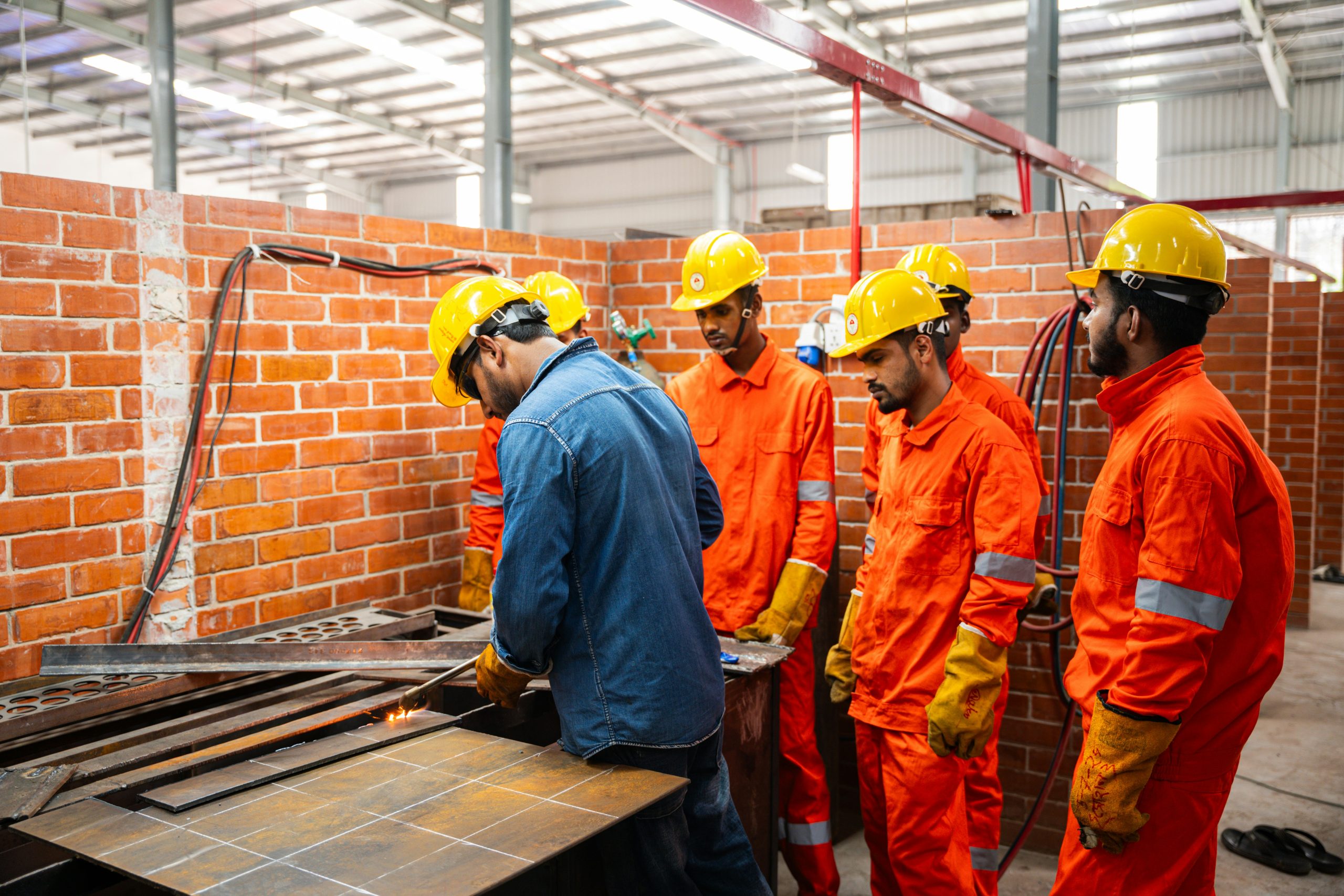
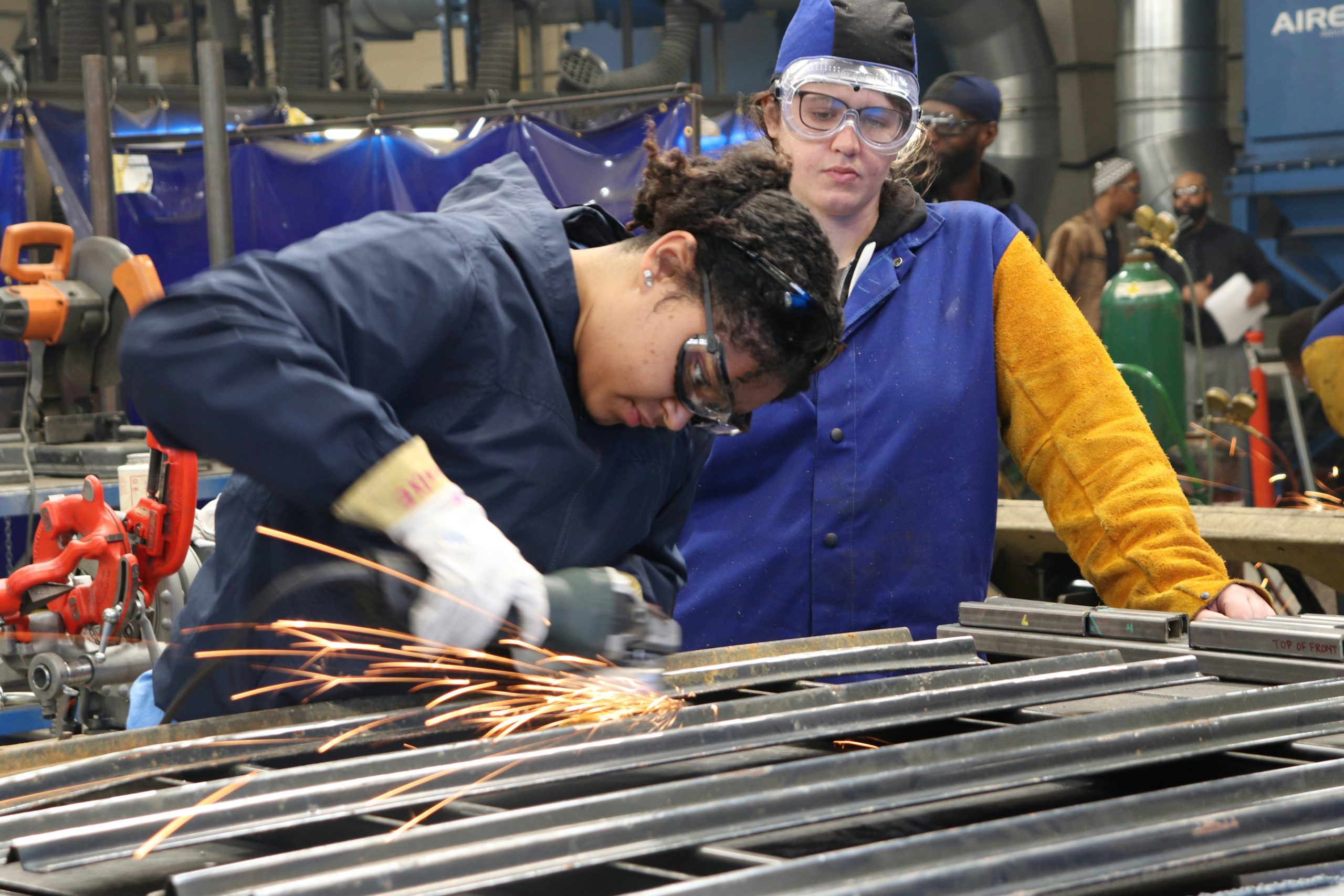
NEP 2020 recommended the bagless-days idea from the outset, but it stayed abstract until the Ministry of Education formally notified implementation guidelines in July 2024, developed by the PSS Central Institute of Vocational Education, an NCERT unit. The guidelines are specific: every student in Classes 6 to 8 takes part in a ten-day bagless period, during which they get a hands-on survey of vocational crafts — carpentry, electrical work, metalwork, gardening, pottery, and others — chosen by states and local communities based on what skills are actually in demand nearby. The explicit goal is to blur the line between textbook knowledge and applied skill early enough that students have a genuine sense of alternate career paths before they reach board-exam years.
More than ten days on a calendar
The bagless days are the most visible piece, but they sit inside a broader mandate: vocational and skill-based learning is now integrated across Classes 6 through 8 more generally, with life-skills components like financial literacy, entrepreneurship, and resource management folded into the regular curriculum rather than left as occasional add-on activities. CBSE’s revised scheme for 2026–27 goes a step further, making Vocational Education one of four newly compulsory subject areas at the secondary level, alongside Art Education, Physical Education, and Interdisciplinary Studies — assessed through internal school examinations rather than board exams, at least for now. State boards are moving in the same direction: Uttar Pradesh’s board made vocational education compulsory from the 2026 academic session, with approved trade curricula covering IT, electronics, apparel, and beauty and wellness.
What this actually asks of a school
Because the guidelines deliberately leave trade selection to “states and local communities,” there is no single national syllabus a school can simply adopt. That’s a feature for matching skills to local economies, but it means each school effectively has to build its own micro-network: local artisans and tradespeople willing to host students, a timetable that absorbs ten non-standard days without displacing core subject hours, and some way of documenting what students actually did, since internal assessment puts the record-keeping burden on the school itself. Schools that treat this as a single annual event tend to default to whatever local partner is easiest to book, rather than what best matches student interest or regional skill demand — which is precisely the outcome the mandate is trying to avoid.
The harder question underneath
The mandate assumes schools can source willing local experts, protect ten instructional days without parental pushback over “lost” academic time, and treat the output as seriously as any other subject once assessment sits internally rather than externally. None of that is guaranteed by the policy text alone. Schools that get ahead of it tend to build the local-partner list well before the academic year starts, rotate trades year to year so students see genuine variety by Class 8, and fold the bagless days into the same career-guidance conversation the school is already having with older students — rather than treating it as an isolated compliance exercise.
Further reading

Comments on your Post
On “Ten Bagless Days: What NEP’s Vocational Mandate Actually Requires of Schools”
Best