
Related: Differentiation in the Classroom and Assessment as Learning. See our teacher training work.
What does it actually mean for a child to learn something?
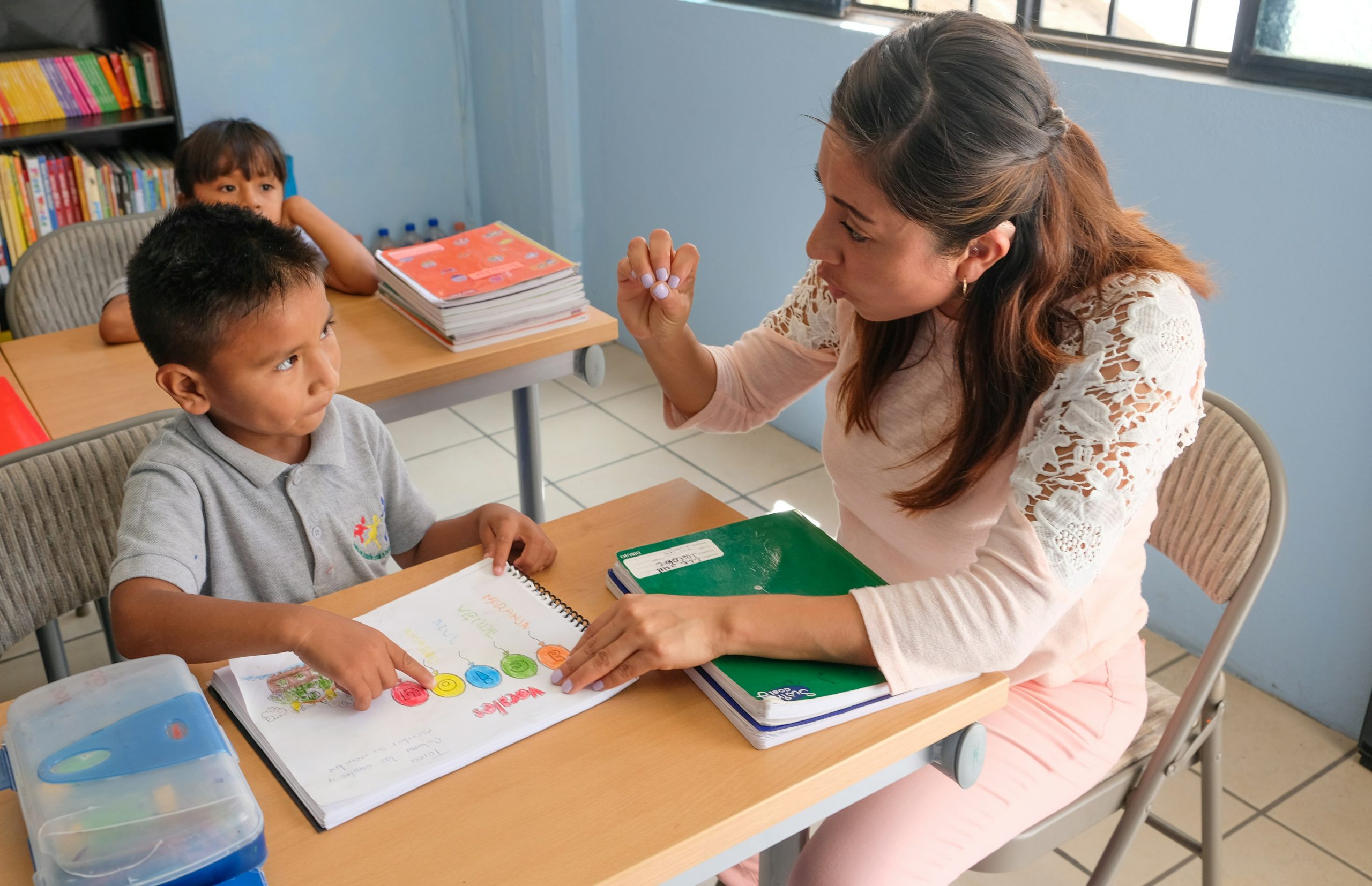
That question sits underneath a quieter, more uncomfortable one: has the teacher’s job changed, or has education simply asked the same role to do more? Increasingly, educators are moving away from seeing themselves as deliverers of content and toward something closer to designers of experience — creating the conditions where understanding can happen, rather than simply transmitting information and hoping it lands. In that shift, listening becomes as vital a skill as explaining. What does it reveal when a learner gets stuck? Often, far more than any lesson plan could predict. And differentiation, seen this way, stops being an accommodation for a few — it becomes the natural consequence of actually taking seriously who is sitting in front of you.
The clearest test of understanding
But how do we know understanding has actually happened? Perhaps the clearest test is transfer — can a learner apply an idea somewhere new, or only recall it in the exact context it was taught? Ask a student to explain a concept in their own words, or to teach it to a peer, and the gaps in that explanation often say more than any test score. Genuine understanding survives follow-up questions; memorised content tends to collapse under them.
A completed syllabus vs. an educated learner
This raises an uncomfortable distinction: is a completed syllabus the same achievement as an educated learner? Schools may need to be honest about which one they’re actually optimising for. Depth, it seems, outlasts breadth — a few ideas deeply understood tend to matter more than many briefly covered. And once curiosity becomes the goal rather than compliance, doesn’t the very definition of a “good lesson” have to change?
Why one method can’t serve everyone
Every learner arrives with a different starting point, pace, and way of making sense of the world — so can any single method, delivered uniformly, ever really serve everyone? Recognising what a child can already do seems to build the confidence needed to attempt what they can’t yet do. And when learners are given even small amounts of choice over how they learn, does their investment change?
Finally, there’s the question every learner silently carries: why does this matter to me? Learning that connects to a child’s own experience, culture, or curiosity seems to stick in a way that learning aimed only at an exam rarely does. Perhaps a truly learner-centred classroom isn’t really about any one subject at all — it’s rehearsal for a habit that outlives every syllabus: the willingness to keep asking questions.

Comments on your Post
On “Redefining Learning”