
A little girl sits playing in the sand with her older brothers. When it’s time to leave, the boys slip on their sandals and rush to the car. She takes her time, wrestling with a stubborn strap that keeps curling at her ankle. She calls out for help — no one comes. She tries, fails, whines in frustration, tries again. Finally, she fixes it herself, and runs to the car with a little flip in her step — proud, accomplished.
Confidence and resilience are built in exactly these small, unremarkable moments of struggle. But there’s a second, quieter skill hiding in this story too — one that matters just as much: adaptability. When one strap wouldn’t cooperate, she didn’t just push harder in the same way; she eventually found a different angle, a different grip. Sometimes the best thing adults can do is step aside and let a child discover both.
The same strength, years later
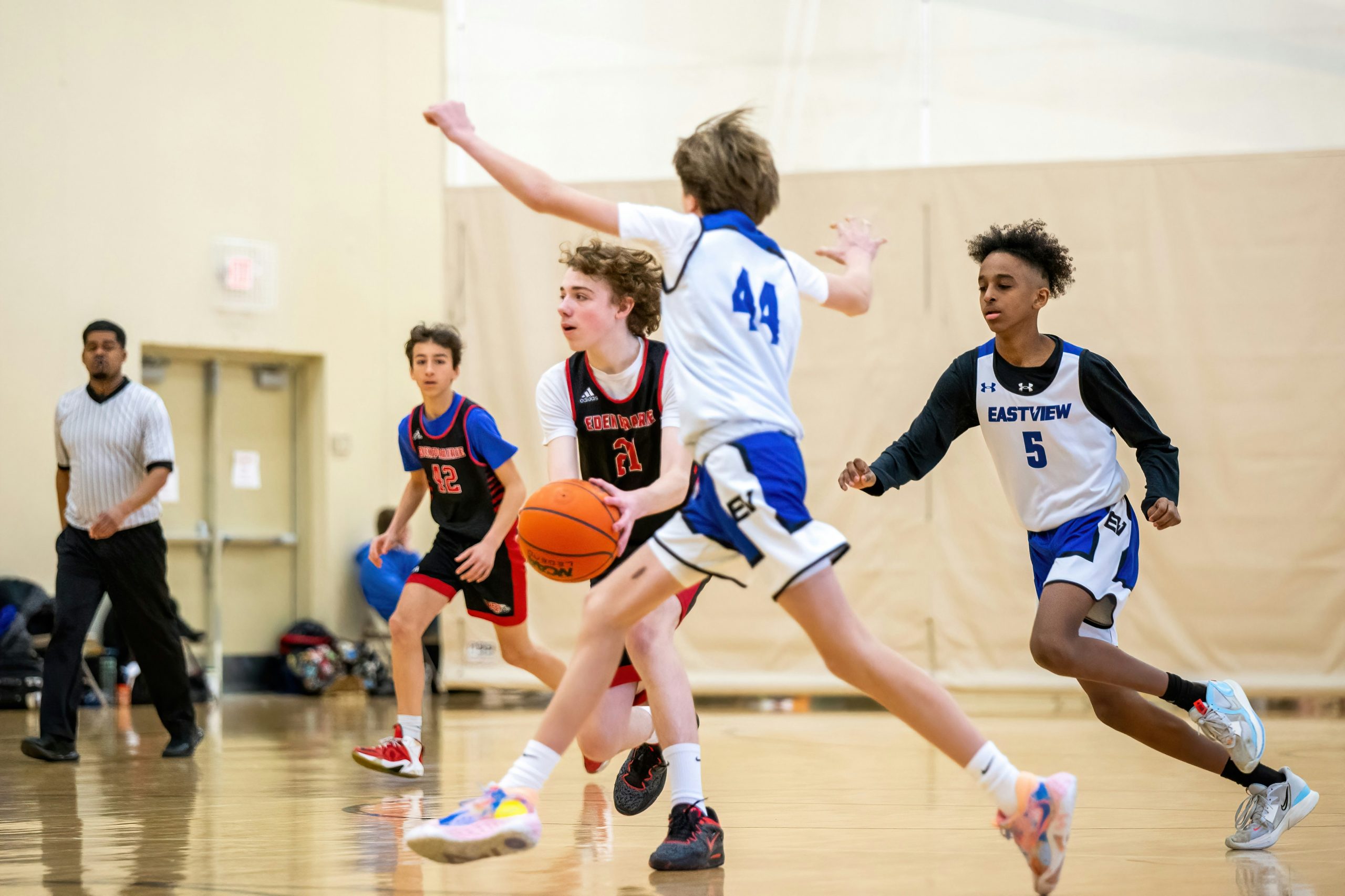
That same quiet strength shows up years later, in bigger ways. A student who plays a competitive basketball match on the court is, forty-five minutes later, ready to be at a formal school event — welcoming guests with the same poise and intensity she brought to the game. Academics. Sport. Leadership. All in one day, all given her best.
We often speak of balance as though it means doing less. Our students teach us otherwise — that balance isn’t about scaling back, but about showing up fully, wherever needed, without letting one part of life diminish another. This kind of balance doesn’t happen by accident. It is built — deliberately, from the sandbox to the sports field — through what and how we teach.
What the Adversity Quotient tells us
Psychologist Dr. Paul Stoltz, who developed the concept of Adversity Quotient (AQ) in the 1990s, argued that a person’s ability to withstand and rise above hardship is a stronger predictor of long-term success than IQ or even EQ. Unlike intelligence, AQ is not fixed at birth — it is a trainable capacity, strengthened through repeated, manageable exposure to difficulty and, crucially, through learning when to keep pushing and when to change course. Every unhelped sandal strap and every lost match is, in this sense, a small deposit into a much larger reserve.
The richest testing ground for AQ lies outside the classroom — in co-curriculars, and most powerfully, in sport. Sport places a child in situations she cannot fully control: a missed shot, a losing score, an opponent simply better that day. It asks her to respond anyway. That repeated response, across seasons and setbacks, is where real adversity capacity is built — not through comfort, but through the extra lap, the tournament loss, the comeback attempt, and sometimes, the decision to try an entirely new approach next season.
Why we push children hard on the field
This is why we push children hard on the field, on the court, on the debate stage — not to toughen them for its own sake, but because adversity, handled well, becomes capability. The child who once fought with a sandal strap, and the student who moves seamlessly from a hard-fought match to a formal event, are shaped by the same lesson: struggle, loss, and rejection, faced alone and often, build a strength that lasts.
More responsibility doesn’t mean becoming less of yourself — it means discovering more of yourself to give. That is what curriculum, co-curriculars, and sport, together, are meant to build. This is precisely why they stand as the true pillars of education and character.
It matters that a child fights till the end, and then stands up to fight again. And if success still doesn’t come, that she learns to find a new direction and start over with the same determination, vigour, and strength. Life rarely rewards those who simply endure — it rewards those who adjust, recalibrate, and try a different way. As Maya Angelou wrote, “You may encounter many defeats, but you must not be defeated.”

Comments on your Post
On “How Schools Build Resilience in Students — and Why Sport Does It Best”